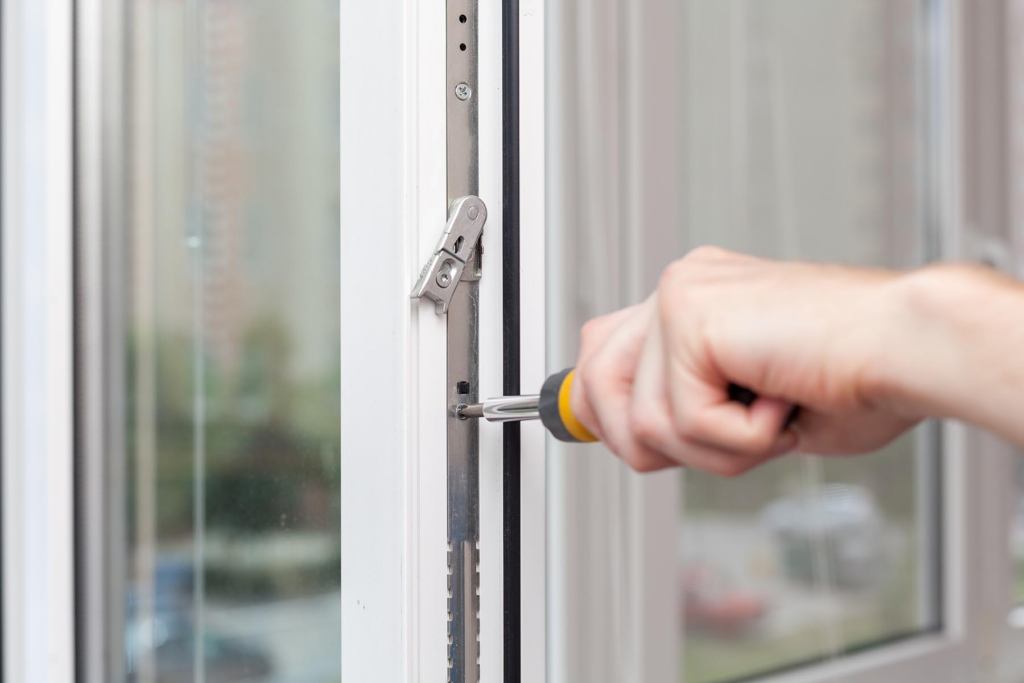
Window Screen Repair: A Comprehensive Guide
Window screens play an important role in preserving a comfy indoor environment while enabling fresh air to flow into homes. They keep out insects and debris, helping to enhance indoor air quality and presence. Regrettably, over time, screens can develop holes, tears, or other damage from direct exposure to components or accidental accidents. This article supplies a useful exploration of window screen repair, detailing the required tools, techniques, and useful pointers for both DIY lovers and those considering professional services.
Understanding Window Screens
Before diving into repair methods, it is important to comprehend the various kinds of window screens offered:
- Fiberglass Screens: These are lightweight and withstand rust, making them a popular option. Licensed Window Doctor are simple to flow and frequently come in various colors.
- Aluminum Screens: Tough and long-lasting, aluminum screens are more robust and resistant to damage. However, they can be vulnerable to deterioration.
- Solar Screens: Designed to obstruct harmful UV rays and excess heat, solar screens can assist improve energy effectiveness in homes.
- Family pet Screens: Made of tougher products, pet screens are perfect for families with animals, as they hold up against scratches and strong effects.
Comprehending the kind of screen you have will substantially affect the repair method you take.
Typical Types of Damage
The initial step in repairing window screens is determining the type of damage. Common types consist of:
- Holes and Tears: Caused by weather condition wear or physical effect, these can be small punctures or larger rips.
- Rusted Frames: Frames, especially those made from aluminum, can develop rust, jeopardizing their stability.
- Weathered Fabric: Over time, the screen fabric can fade or deteriorate due to UV exposure.
Repair Supplies Needed
When getting ready for a window screen repair, one requires an assortment of tools and products. Typically, you might require:
| Tool/Material | Purpose |
|---|---|
| Replacement Screen Material | To patch holes or replace the whole screen |
| Scissors | For cutting materials to size |
| Screen Frame | Needed if the original frame is seriously damaged |
| Spline (screen binding) | To protect the screen in the frame |
| Flathead Screwdriver | For removing screws from the frame |
| Energy Knife | For trimming excess material |
| Pliers | Helpful for removing old splines and protecting brand-new ones |
DIY Window Screen Repair Techniques
1. Fixing Small Holes and Tears
Small holes or tears can easily be fixed without changing the entire screen. Here's how:
- Clean the Area: Start by cleaning the location around the hole or tear to ensure proper adhesion.
- Use a Patch: Cut a piece of screen material slightly larger than the hole. If you do not have replacement material, a piece of clear tape can operate in a pinch.
- Use the Patch: Securely position the spot over the damage and use adhesive or staples to secure it in place.
2. Replacing the Entire Screen
If the damage is extensive, it may be more effective to change the entire screen. Follow these steps:
- Remove the Frame: Use a flathead screwdriver to eliminate any screws holding the screen frame in place.
- Eliminate Old Screen Material: Take off the old screen fabric from the frame, along with the old spline.
- Cut New Screen Material: Lay the brand-new screen product over the frame, leaving about an inch of extra material around the edges.
- Secure the New Screen: Place the screen over the frame, protecting it using the spline, and cut the excess material with your energy knife.
- Reinstall Frame: Place the frame back into the window opening and secure it with screws.
3. Repairing Rusted Frames
Rusted frames can typically be salvaged rather of being entirely replaced:
- Remove Rust: Use sandpaper or a rust cleaner to strip the rust from the frame.
- Tidy the Frame: Thoroughly tidy the area before using any protective finish.
- Apply Primer and Paint: Once the rust is removed, it is advisable to use a rust-inhibiting primer and repaint to prevent future rust.
When to Seek Professional Help
While numerous screen repair work can be taken on as DIY tasks, there are circumstances when it's better to seek advice from a professional:
- If your window frames are structurally compromised.
- If there is extensive damage that could require specific repair methods.
- When time restraints avoid a thorough DIY effort.
Regularly Asked Questions (FAQs)
Q1: Can I use regular fabric for window screen repair?
A1: It is suggested to utilize customized screen materials as they are designed to withstand weather and are more long lasting than routine fabric.
Q2: How can I avoid my window screens from getting damaged?
A2: Regular maintenance and inspection can help. It's a good idea to clean your screens typically and change any damaged material immediately.
Q3: How typically should I replace window screens?
A3: Window screens can last numerous years with proper care. However, after dealing with significant wear or damage, specifically in locations exposed to harsh weather, replacements need to be considered.
Q4: Is it possible to repair a screen with screens that have a pet damage?
A4: Yes, using animal screen material designed to stand up to harder wear can be a practical option for pet-stressed screens.
Window screen repair may seem challenging, but with the right tools and methods, it is an attainable task for most house owners. A well-maintained window screen can enhance the visual appeals of a home while providing required functions, and understanding when to DIY and when to employ specialists can conserve time, cash, and effort. By remaining proactive with repairs, property owners can prolong the life of their screens and keep a comfortable indoor area.